Wholesale
add purchasing workflows without rewriting accounting

Global Search
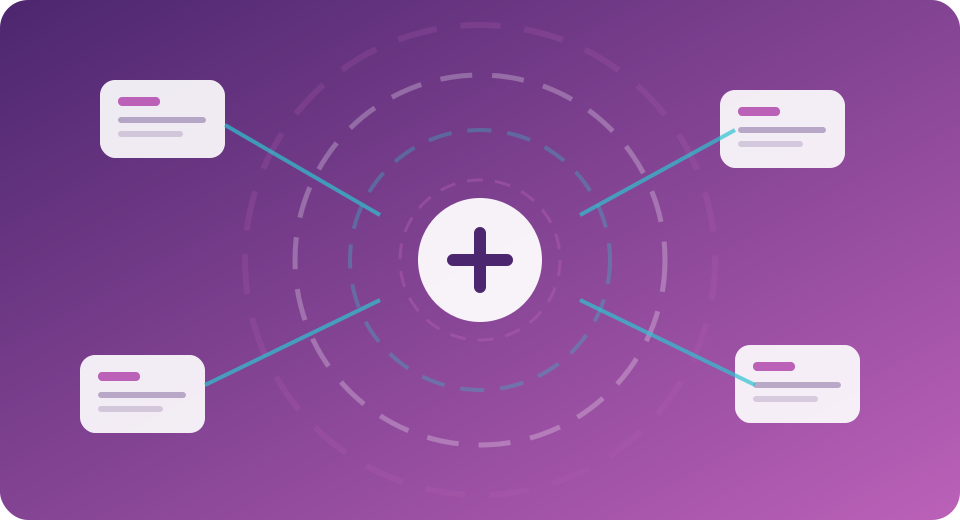
Add capabilities without making every change affect the whole system.
Well-defined modules help teams manage upgrades, responsibilities, testing and integrations with fewer unintended dependencies.
Request a consultation →Related service →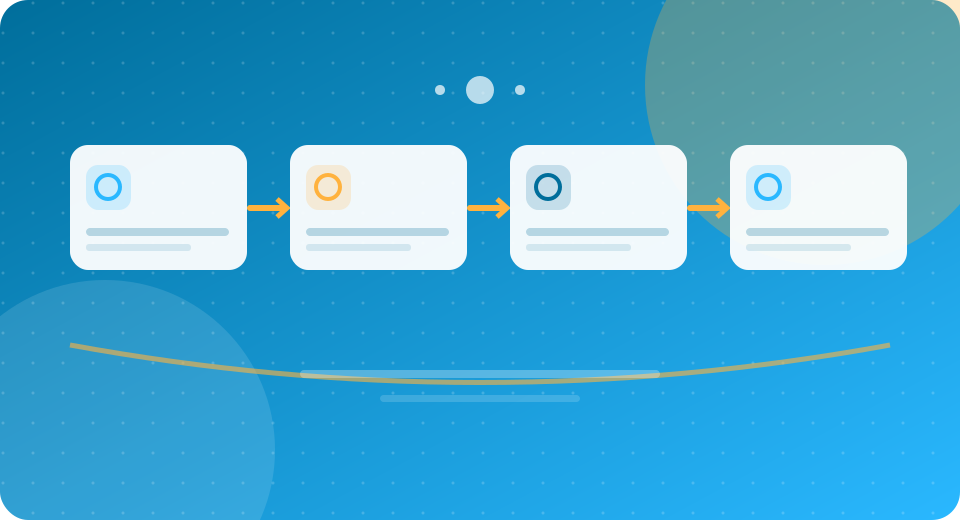
Well-defined modules help teams manage upgrades, responsibilities, testing and integrations with fewer unintended dependencies. Separate customer, finance, inventory and operational capabilities behind stable interfaces.
Separate customer, finance, inventory and operational capabilities behind stable interfaces.
Define module contracts, versioning rules, shared services and regression tests.
Technology decisions should improve day-to-day work, strengthen data reliability and support measurable business outcomes.
Assign clear responsibility for each business capability and its data
Provide documented APIs, events and configuration interfaces
Centralise identity, audit trails and notifications without coupling all business logic
Test module compatibility and migrations before deploying changes
A simplified reference flow, adapted to the actual project requirements:
Illustrative architecture, not a claim of an existing deployed installation.
Depending on business requirements, solutions may be designed using relevant industry technologies and architectural patterns:
These are recognised industry technologies and architectural approaches that may be evaluated for a project; their mention does not imply Core1 Solutions has deployed, certified, partnered with, or currently supports every named technology.
Different sectors apply the same technical foundations to different operational challenges.
add purchasing workflows without rewriting accounting
extend time tracking with invoicing
introduce reservations and loyalty as separately governed capabilities
Review users, processes, existing systems, constraints and priorities.
Module boundaries, shared services, extension points and change-control guidance.
Test security, data integrity, performance and real-world workflows.
Document ownership, support needs and continuous improvements.
A module is a bounded capability within a larger product; it may share infrastructure while retaining clear interfaces.
Often, but it requires dependency mapping, gradual separation and regression testing.
Use versioned contracts, permissions, migration policies and automated compatibility checks.
See how this capability can complement Core1ERP, business applications and professional services.
Tell Core1 Solutions about your environment, requirements and business goals.
Request a consultation →