E-commerce
handle seasonal traffic with planned capacity

Global Search
Choose infrastructure that matches workload, security and budget needs.
Hosting decisions should consider capacity, resilience, access, monitoring, location requirements and ongoing operating costs.
Request a consultation →Related service →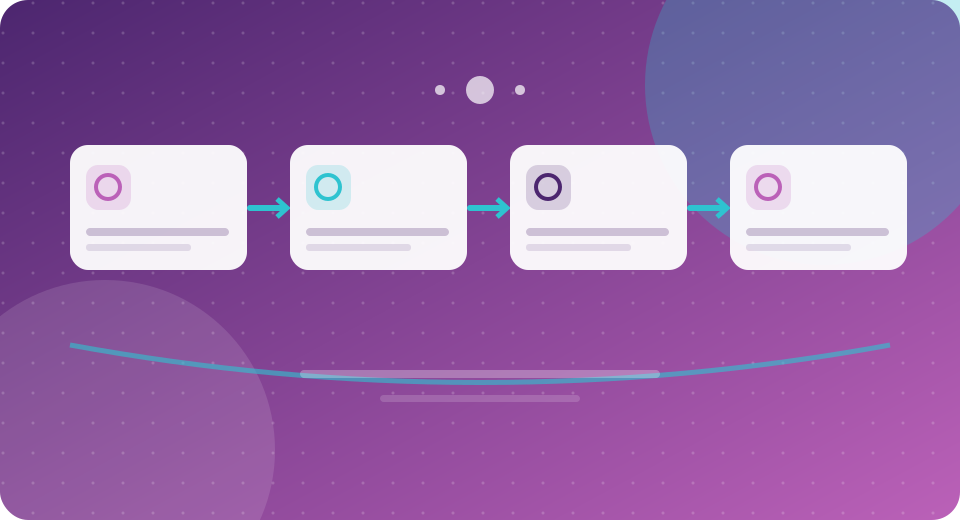
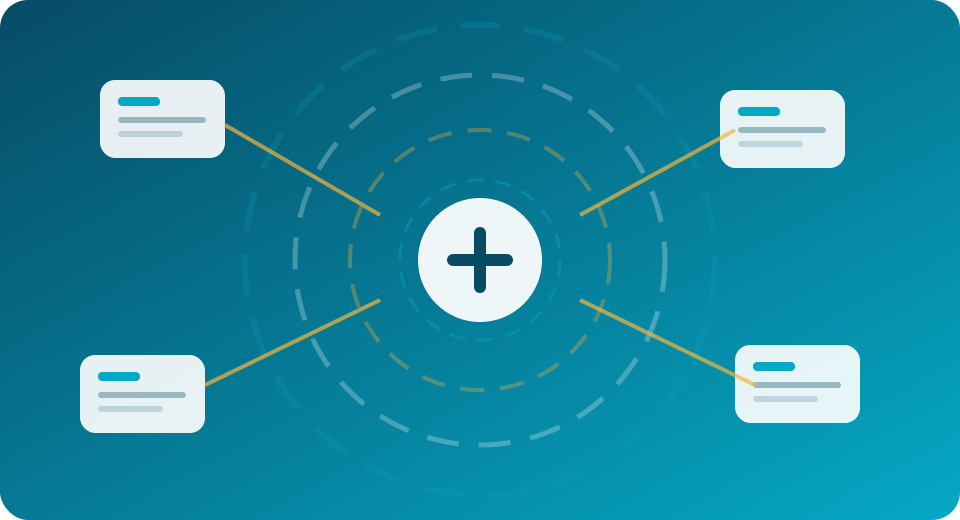
Hosting decisions should consider capacity, resilience, access, monitoring, location requirements and ongoing operating costs. Assess workloads, compute, storage, connectivity and governance before choosing a cloud operating model.
Assess workloads, compute, storage, connectivity and governance before choosing a cloud operating model.
Review cost visibility, access policies, location requirements, resilience and monitoring.
Technology decisions should improve day-to-day work, strengthen data reliability and support measurable business outcomes.
Match compute, storage and network requirements to usage patterns
Separate production, staging and development with appropriate access controls
Track consumption, capacity and recurring commitments
Select backup, recovery and availability measures aligned with business needs
A simplified reference flow, adapted to the actual project requirements:
Illustrative architecture, not a claim of an existing deployed installation.
Depending on business requirements, solutions may be designed using relevant industry technologies and architectural patterns:
These are recognised industry technologies and architectural approaches that may be evaluated for a project; their mention does not imply Core1 Solutions has deployed, certified, partnered with, or currently supports every named technology.
Different sectors apply the same technical foundations to different operational challenges.
handle seasonal traffic with planned capacity
centrally host document and client systems
connect stores to shared inventory services
Review users, processes, existing systems, constraints and priorities.
Infrastructure options, workload assessment, environment design and operational considerations.
Test security, data integrity, performance and real-world workflows.
Document ownership, support needs and continuous improvements.
Not necessarily. Total cost depends on usage, support, licensing, connectivity and operational controls.
Often, subject to security, residency, contractual and regulatory requirements.
Availability, resource utilisation, errors, security events, backup status and cost.
See how this capability can complement Core1ERP, business applications and professional services.
Tell Core1 Solutions about your environment, requirements and business goals.
Request a consultation →